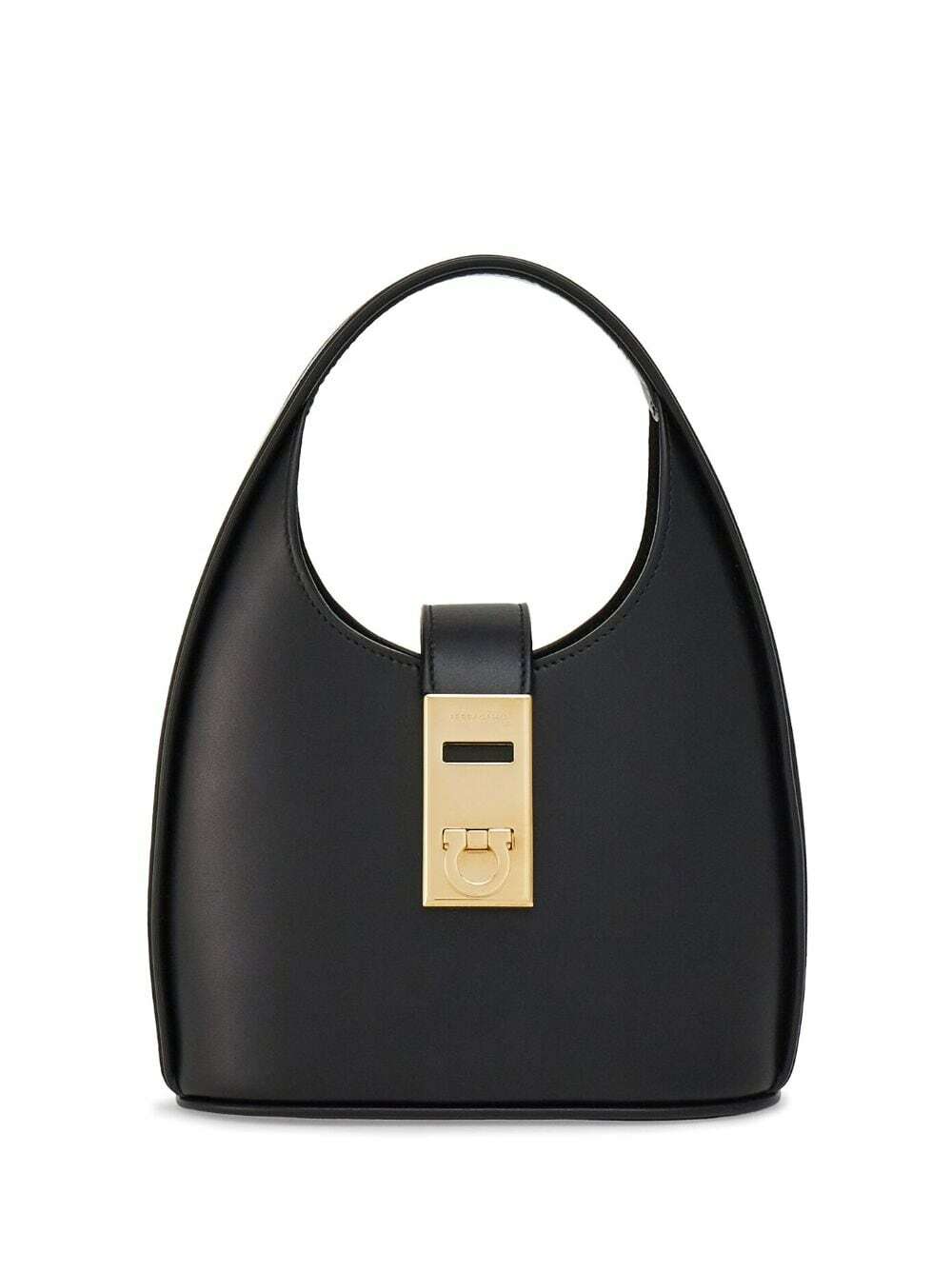
Structured Leather Top Handle Ferragamo Tote Bag
Ferragamo Bags Overview: Making Sense of the Label’s Defining Shapes
Well before handbags entered the picture, Salvatore Ferragamo had already built its name on shoes—yet the leather goods division has since grown into one of the label’s most closely followed categories. Anyone scrolling through a ferragamo shop today will notice a mix of throwback designs and newer shapes intended to sit in line with the brand’s footwear codes. What emerges is a lineup that rewards a measure of preparation, since silhouettes carry different names, different hardware, and different levels of everyday practicality. The sections below map out the key groupings within Ferragamo bags, what distinguishes them structurally, and how to think about choosing between them. Alternate spellings like “ferregamo” show up frequently in search bars, but the house itself remains Salvatore Ferragamo, and that naming consistency matters when verifying authenticity or sourcing parts and repairs. Sorting out the terms before anything else makes comparing any salvatore ferragamo bag much more straightforward.
Understanding the Gancini Hardware Signature
The Gancini clasp, a horseshoe-shaped metal hook, has functioned as the brand’s most steadfast identifier since the 1960s. It shows up as a closure, a decorative charm, or a functional accent worked into straps, and it carries through generations of the line barely deviating from its core shape. salvatore ferragamo bag On many current bags, the Gancini is executed in polished gold-tone or silver-tone metal, sized to be noticeable at a glance rather than tucked away as a subtle detail. This hardware choice is often the most reliable shortcut to identify a genuine ferragamo bag versus a similar-looking silhouette from another house. Some seasonal releases reinterpret the Gancini in resin, enamel, or a matte finish, but the horseshoe shape remains largely fixed. When assessing any salvatore bag for purchase, scrutinizing the weight, engraving depth, and attachment points of the Gancini hardware gives solid insight into build quality.
Top Handle and Structured Shapes
The structured top-handle bags from Ferragamo tend toward a boxier construction, with reinforced panels that allow the bag to hold its shape without collapsing when set down. These shapes commonly join a rigid frame with a detachable shoulder strap, giving two wearing options from a single bag. Stitching on the structured pieces usually falls in clean, parallel lines along the base and sides, a detail worth studying attentively in-store or in zoomed product photography. Many of these top-handle styles use a twist-lock or push-lock closure rather than a zip, which keeps the silhouette tidy in appearance from the front. Because the frame retains its shape regardless of how much is packed inside, these bags photograph consistently whether they’re empty or full. Those investigating the best Ferragamo bags for office or evening use often are drawn to this category first, since the structured form comes across as more formal.
Soft-Structure Hobo and Shoulder Styles
Where the firmer-shaped bags hold a fixed form, Ferragamo balances things out with softer hobo and slouchy shoulder bags built from more pliable leather that drapes rather than staying rigid. This category commonly includes a extended strap drop, designed to sit at the hip or under the arm rather than at the hand. This gentler build renders them distinctly less burdensome to wear over a whole day, a functional point often absent in style-only assessments. Organizational features inside run simpler here, sometimes limited to a single zip pocket and a slip pocket rather than multiple compartments. This is the segment where the house takes the most liberties with shade and surface, including suede paneling and blended-material straps in select seasonal drops. When sizing up Ferragamo’s top options for daily wear, this pairing typically brings the best balance of capacity and fuss-free wearability.
Mini, Micro, and Compact Formats
Tracking the wider fashion shift toward smaller carried pieces, downsized takes on the label’s signature shapes have become a regular part of the yearly output. These smaller versions typically keep the complete hardware detailing of their standard-size counterparts, including the Gancini clasp, just scaled down evenly rather than reduced in detail. Storage space is intentionally restrained, usually accommodating a phone, cards, and a lipstick rather than a complete set of everyday items, so buyers ought to view these as add-on pieces rather than go-to carryalls. Chain straps show up more often on minis compared with bigger shapes, lending them a more polished feel suited to evening wear. Given that less leather and metal go into a smaller build, these pieces sometimes represent a lower entry point into the Salvatore Ferragamo bags lineup for new customers. Even so, the price gap between mini and mid-size versions of the same silhouette is often smaller than expected, since the labor behind construction barely shifts regardless of scale.
Materials and Craftsmanship Standards
Production of Ferragamo bags takes place primarily in Italy, and the choice of leather points to the brand’s positioning within the traditional luxury tier rather than the fast-turnover segment. Calfskin continues to be the most common material across the collection, selected for its ability to hold structure while still developing a natural patina over years of use. Suede and exotic-effect leathers turn up among select seasonal pieces, generally at a premium relative to the standard calfskin lineup. Hardware is typically finished in-house to match the brand’s specific gold and silver tones, which is part of why aftermarket or third-party hardware repairs can visibly clash with the original finish. Stitching density and edge-painting consistency are two of the more reliable quality markers to check firsthand, since both are difficult to replicate accurately outside the original manufacturing process. Shoppers comparing a Salvatore bag against a similar silhouette from a competing house will usually find that these small construction details, rather than the overall shape, reveal the most about relative quality.
An Overview of the Essential Shape Groupings
| Which Silhouette Family It Falls Under | How Heavy It Typically Feels | Closure Type | When It Shines |
|---|---|---|---|
| Rigidly-Built Top-Handle Style | Substantial in the hand, with a firm frame that doesn’t give | Twist-Lock Clasp or Push-Lock Fastening | Great for work and formal occasions |
| Soft Hobo/Shoulder | Lightweight, supple | Zippered or open-top | Perfect for daily casual carrying |
| An Small Mini Silhouette | Barely there, compact | Clasp Closure or chain strap | Best reserved for evening and going-out events |
| Gancini-Trimmed Crossbody | Feels light to moderate in weight | An Fold-Over Flap Secured by the Gancini clasp | Travel, hands-free occasions |
How to Tackle Purchasing One of These
If authenticity, up-to-date price accuracy, and entry into the full seasonal range matter most, shopping through a certified ferragamo retailer or the label’s sanctioned channels is the surest bet. Consignment sites can turn up retired styles or vintage Gancini variations no longer produced, but shoppers should confirm serial numbers, stitching patterns, and hardware weight before finalizing a secondhand purchase. Deciding beforehand is useful whether the aim is a tailored piece for work, a slouchy everyday shoulder bag, or a compact evening accessory, since the three categories hardly ever intersect in everyday function. Testing a bag on with genuine daily items, rather than judging it empty on a shelf, gives a much more accurate impression of how the strap drop and weight distribution will sit after a few hours of wear. Color and hardware tone should also be matched against existing wardrobe pieces, since the brand’s gold-tone Gancini can appear differently under natural light versus store lighting. For those specifically hunting for the best Salvatore Ferragamo bags of a given season, checking the brand’s own seasonal lookbook alongside shopper photos tends to surface a more accurate picture than studio imagery alone.
Fit Decision: Last Notes
It would be a mistake to look for one “correct” Ferragamo bag, since the label deliberately maintains parallel lines for different lifestyles rather than pushing one flagship shape. Someone who carries a laptop and documents daily will get more practical mileage from a structured top-handle piece than from a mini clasp bag, regardless of how the mini photographs on social media. By contrast, someone attending frequent evening events will find the smaller Gancini-detailed pieces far more suited to that context than a boxier daytime bag. Budget also plays a role, since mini formats sometimes offer a lower entry price without sacrificing the brand’s core hardware detailing. The soundest strategy is to match the silhouette family to actual weekly habits first, then narrow down color and hardware finish second. Whether the end choice is a soft hobo, a structured frame bag, or a compact clasp style, understanding these silhouette families first makes any Ferragamo bag purchase a far more informed one.